Testing another
by Ania
Introduction
Another essential part of cognitive restructuring involves learning to question your thoughts and assumptions, especially those that seem to get in the way of living a productive life.
A therapist can teach you to use a Socratic questioning method to determine where and how your automatic thoughts are biased or illogical.
Some questions you might ask include:
- Is this thought based on emotion or facts?
- What evidence is there that this thought is accurate?
- What evidence is there that this thought isn’t accurate?
This is why we care
To change an unproductive thought pattern, you have to be able to identify the error you’re making. Cognitive restructuring depends on your ability to notice the thoughts that spark negative feelings and states of mind.
It’s also helpful to notice when and where the thoughts come up. You may be more vulnerable to cognitive distortions in certain situations. Identifying those situations may help you prepare in advance.
For example, if you’re a student who has anxiety, you might notice a pattern of catastrophizing in testing environments. Maybe your pattern goes something like this: I am absolutely going to fail this test, fail the course, and not be able to graduate with everybody else. Everyone is going to know I’ve failed.
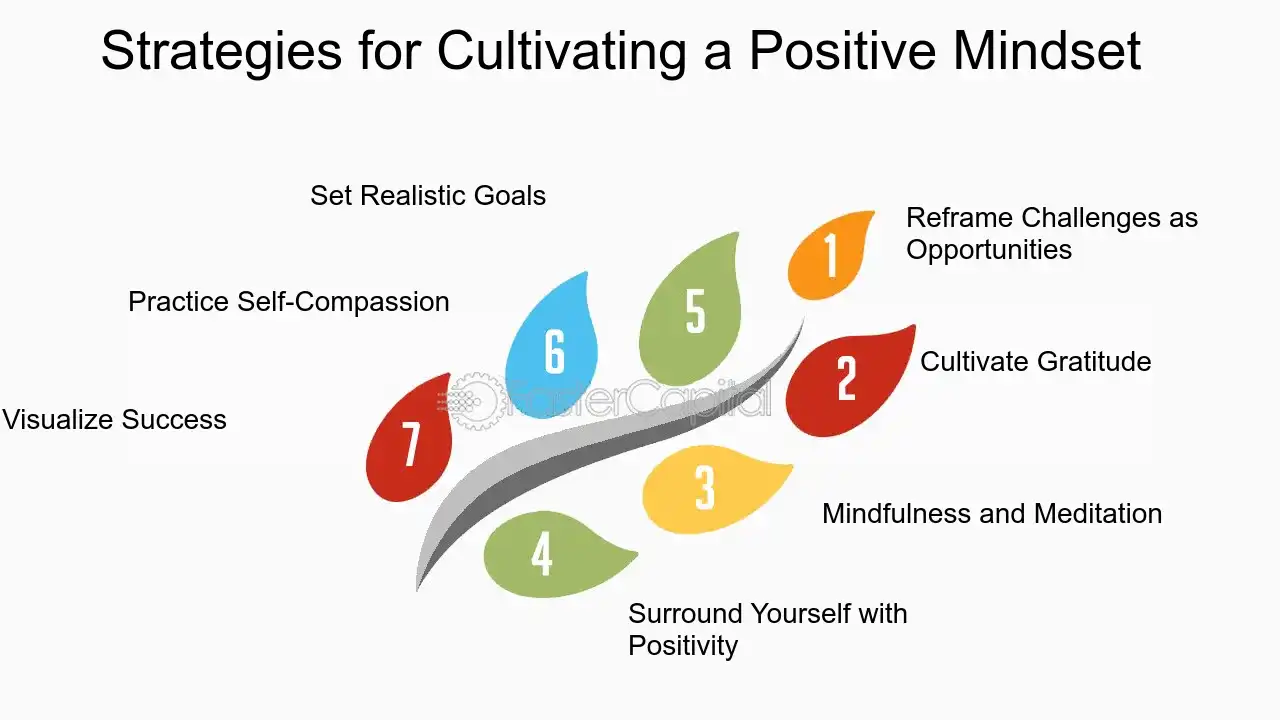
Steps to try
- First things first
- then this other one
- of course a third
- and the last
Then some more content to test if the scrolling down works till the end.
The end.